
Texas Ants with Wings: A Comprehensive Guide to Swarming Ants in the Lone Star State

Introduction: The Phenomenon of Winged Ants in Texas
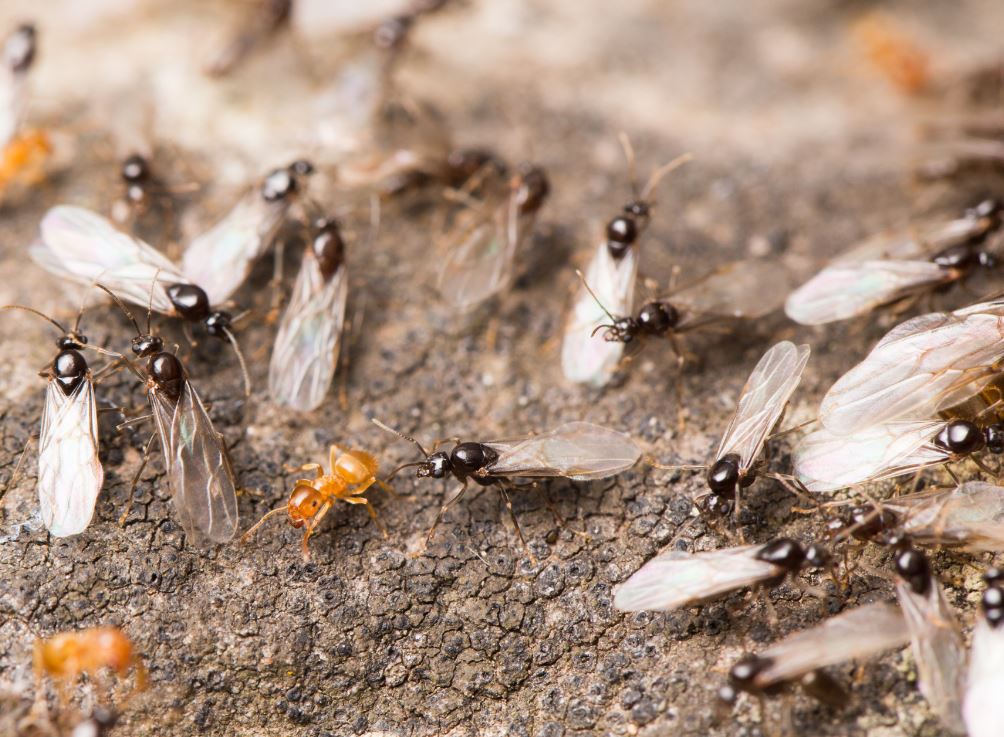
If you’ve ever seen a sudden, dramatic appearance of flying ants in Texas, you’re not alone. This fascinating and sometimes alarming event is a natural part of the ant reproductive cycle, commonly known as a “nuptial flight” or “swarming.” Texas, with its diverse ecosystems and warm climate, is home to numerous ant species that produce winged reproductives, or “alates.” These winged ants are not a separate species but rather the future kings and queens of ant colonies, taking to the skies to mate and start new colonies.
Understanding these winged ants—their purpose, identification, and behavior—is crucial for homeowners, gardeners, and nature enthusiasts across Texas. This comprehensive guide will provide detailed insights into the world of Texas ants with wings, helping you distinguish between harmless swarms and potential pest problems.
Why Do Ants Grow Wings? The Science Behind Swarming
Winged ants are the reproductive members of an ant colony. While the vast majority of ants in a colony are wingless workers (sterile females), the colony produces winged males and virgin queens during specific seasons to ensure genetic diversity and colony expansion.
The Nuptial Flight Process:
- Synchronized Emergence: Colonies across a region release winged ants simultaneously, often triggered by weather conditions like humidity, temperature, and recent rainfall.
- Mating in Flight: Queens and males mate mid-air. Males die shortly after mating.
- Queen’s New Beginning: After mating, the queen lands, sheds her wings, and searches for a suitable location to start a new colony.
- Colony Foundation: The queen lays her first eggs and cares for them until her first worker ants emerge, beginning a new ant colony.
In Texas, swarming events are most common in late spring through early fall, often after rain showers when the soil is soft for nesting.
Common Texas Ant Species That Produce Winged Reproductives
Texas hosts a wide variety of ant species. Below are some of the most common ones you might encounter with winged forms.
1. Red Imported Fire Ant (Solenopsis invicta)
- Appearance: Winged fire ant queens are dark reddish-brown, about 1/3 inch long. Males are slightly smaller and blacker.
- Swarming Season: Peak swarms occur April-June, often after rain.
- Notable Behavior: These swarms can be massive, involving thousands of individuals. Fire ant mounds are common in open areas, lawns, and pastures.
2. Carpenter Ant (Camponotus spp.)
- Appearance: Among the largest ants in Texas. Winged queens can be up to 3/4 inch long, black or reddish-black.
- Swarming Season: Typically late spring.
- Notable Behavior: Unlike termites, they do not eat wood but excavate it to build nests, potentially causing structural damage.
3. Acrobat Ant (Crematogaster spp.)
- Appearance: Small ants (~1/8 inch). Winged forms have a distinctive heart-shaped abdomen.
- Swarming Season: Summer to early fall.
- Notable Behavior: Named for their habit of raising their abdomen over their head when disturbed.
4. Texas Leafcutter Ant (Atta texana)
- Appearance: Large, reddish-brown ants. Winged reproductives are substantial, up to 1 inch long.
- Swarming Season: Massive synchronized flights often after spring and summer rains.
- Notable Behavior: Form large, complex underground colonies and are known for cutting vegetation to cultivate fungus gardens.
5. Pavement Ant (Tetramorium immigrans)
- Appearance: Small, dark brown to blackish ants. Winged forms are darker.
- Swarming Season: Summer.
- Notable Behavior: Often nest under sidewalks, driveways, and building foundations.
Winged Ants vs. Termites: A Critical Distinction
One of the most common confusions is between winged ants and termite swarmers (alates). Misidentification can lead to inappropriate control measures. Here’s a detailed comparison:
| Characteristic | Winged Ants | Termite Swarmers |
|---|---|---|
| Body Shape | Pinched, constricted waist | Broad, rectangular waist (no constriction) |
| Antennae | Elbowed (bent) | Straight, bead-like |
| Wing Size | Hind wings smaller than front wings | All four wings equal in size and shape |
| Wing Venation | Fewer, simpler veins | Many complex veins |
| Wing Persistence | Wings fall off soon after swarming | Wings often found shed near windowsills/doors |
| Primary Purpose | Mating flights to start new ant colonies | Mating flights to start new termite colonies |
Table 1: Key differences between winged ants and termite swarmers.
Seasonal Swarming Calendar for Texas Ants
Swarming is highly weather-dependent, but general patterns exist across Texas regions (East, Central, West, and South Texas).
| Ant Species | Typical Swarming Season | Common Triggers |
|---|---|---|
| Red Imported Fire Ant | April – June | Warm days (75-95°F) after rainfall |
| Carpenter Ant | May – July | Warm, humid evenings |
| Acrobat Ant | June – September | Summer humidity |
| Texas Leafcutter Ant | April – May, July – August | Significant rain events |
| Pavement Ant | June – August | Hot summer days |
| Pyramid Ant | July – September | Late summer thunderstorms |
| Big-headed Ant | Summer months | Moist soil conditions |
Table 2: Generalized swarming seasons for common Texas ants.
Are Winged Ants Dangerous or Destructive?
The answer varies by species:
- Most Winged Ants: Are a temporary nuisance. The swarm lasts only a few hours to a day. They are attracted to light and may congregate near windows. They do not bite or sting during the flight (they are focused on mating).
- Exceptions: Fire ant swarmers come from colonies whose workers deliver painful stings. If a mated fire ant queen establishes a colony on your property, you’ll soon have a new fire ant mound.
- Property Concerns: Carpenter ant swarmers indicate a nearby parent colony, which may be excavating wood in your home’s structure. Leafcutter ants can defoliate plants and create extensive underground nests.
What to Do When You See a Swarm of Winged Ants
- Don’t Panic: Swarms are temporary and natural.
- Identify: Use the table above to determine if they are ants or termites. Termites warrant immediate professional inspection.
- Locate the Source: If coming from inside your home, it suggests an indoor nest, which should be investigated.
- Temporary Control: Vacuum them up if they are a nuisance indoors. Reduce outdoor lighting during swarm season to avoid attracting them.
- Seal Entry Points: Caulk cracks and crevices in your home’s exterior.
- Professional Help: For persistent indoor swarms (especially carpenter ants) or if you suspect fire ant colony establishment, contact a licensed pest control professional.
Ecological Importance of Winged Ants
Despite being a nuisance, winged ants play vital roles in Texas ecosystems:
- Food Source: They provide a crucial protein-rich food for birds, reptiles, spiders, and other insects.
- Soil Aeration: New queen ants excavate soil to start nests, helping to aerate and turn over soil.
- Prey Population Control: As predators, new ant colonies will help control populations of other insects and arthropods.
Prevention and Long-Term Management
- Moisture Control: Fix leaky pipes, ensure proper drainage, and use dehumidifiers in crawl spaces. Many ants are attracted to moisture.
- Landscape Maintenance: Keep mulch, wood piles, and debris away from your home’s foundation. Trim tree branches touching the house.
- Regular Inspections: Periodically check for signs of ant activity, especially in spring and summer.
- Baiting Systems: For persistent problems like fire ants, consider using targeted bait products applied to lawns. These are carried by workers back to the colony, providing control at the source.
Conclusion: Coexisting with Texas’s Winged Ants
The sight of Texas ants with wings is a remarkable demonstration of insect ecology and reproduction. While they can signal a pest issue for certain species, most swarms are harmless and short-lived. By accurately identifying the ants, understanding their behavior, and taking appropriate, targeted action when necessary, Texas homeowners can manage these events effectively.
Remember, the sudden appearance of winged ants is a sign of a healthy, mature colony successfully carrying out its life cycle. With the information in this guide, you can now confidently distinguish between a natural phenomenon worthy of observation and a situation that calls for intervention.
Observe, Identify, and Act Appropriately. By doing so, you contribute to the delicate balance of Texas’s diverse ecosystems while protecting your home.