
Does Killing Ants Attract More Ants? The Surprising Science Explained

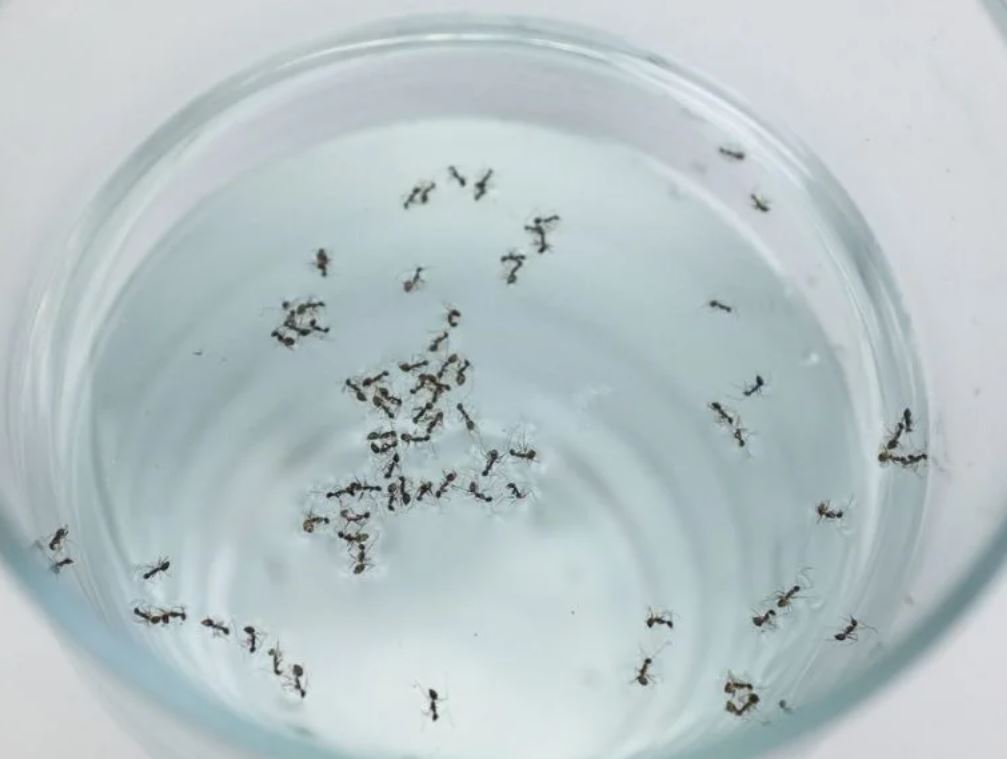
You spot a line of ants marching across your kitchen counter. Instinctively, you reach for a spray or swatter to eliminate the visible invaders. But then a nagging question arises: Does killing ants actually attract more ants? This common belief has been passed down through generations, leaving many homeowners uncertain about the best course of action. In this article, we’ll explore the scientific truth behind ant behavior, communication, and the most effective strategies for managing infestations.
The Short Answer: It Depends
The relationship between killing ants and attracting more is not a simple yes or no. The outcome hinges on how you kill them and the specific ant species you’re dealing with. In many cases, killing ants improperly can indeed trigger mechanisms that lead to more ants appearing. However, with the right strategy, eliminating visible ants is a crucial part of control.
The Science of Ant Communication: Pheromones Explained
To understand why killing ants might backfire, we must understand ant communication. Ants are social insects that rely heavily on chemical signals called pheromones.
- Trail Pheromones: Forager ants lay down a scent trail from a food source back to the nest. Other ants follow this trail, reinforcing it as they go.
- Alarm Pheromones: When an ant is threatened or killed, it can release alarm pheromones. These chemicals act as a distress signal, alerting nearby colony members to danger and sometimes summoning them to defend or investigate.
The Key Mechanism: Alarm Pheromones
This is the core of the myth. Crushing or aggressing an ant can cause it to release alarm pheromones. These signals can:
- Alert and attract other ants from the vicinity to the disturbance.
- Cause a brief increase in ant activity at that location as they investigate the perceived threat.
However, this reaction is typically short-term and localized. It doesn’t usually cause a massive, long-term influx from the entire nest unless the colony perceives a direct attack on its home.
Comparison: Different Killing Methods & Their Outcomes
Not all ant-killing methods are equal in their potential to attract more ants. The table below breaks down common approaches.
| Method | How It Works | Risk of Attracting More? | Why & Long-Term Effect |
|---|---|---|---|
| Crushing/Swatting | Physically destroys individual ants. | High (Short-Term) | Crushing releases alarm pheromones, which can draw nearby ants to investigate the disturbance. Does nothing to address the nest. |
| Liquid Sprays/Killers | Kills on contact through chemicals. | Moderate to High | Many sprays scatter ants before death, potentially spreading pheromones. Some insecticides contain attractants themselves. Often only kills visible workers, not the colony. |
| Ant Baits (Gels, Stations) | Combines attractive food with slow-acting poison. | Yes, But Strategically | This is the goal. Baits attract worker ants, which carry the poison back to the nest, sharing it with the queen and colony, leading to its eventual collapse. |
| Diatomaceous Earth | A powder that damages ants’ exoskeletons, causing dehydration. | Low | Does not trigger pheromone alarms. Acts as a physical barrier and deterrent. Works slowly but can be effective against workers crossing it. |
| Professional Pest Control | Uses targeted, comprehensive strategies. | Low (Managed) | Professionals identify species and nest locations, using methods that eliminate the source colony, preventing retaliatory attraction. |
The Most Important Factor: The Colony vs. The Workers
The critical concept in ant control is the difference between worker ants and the colony core.
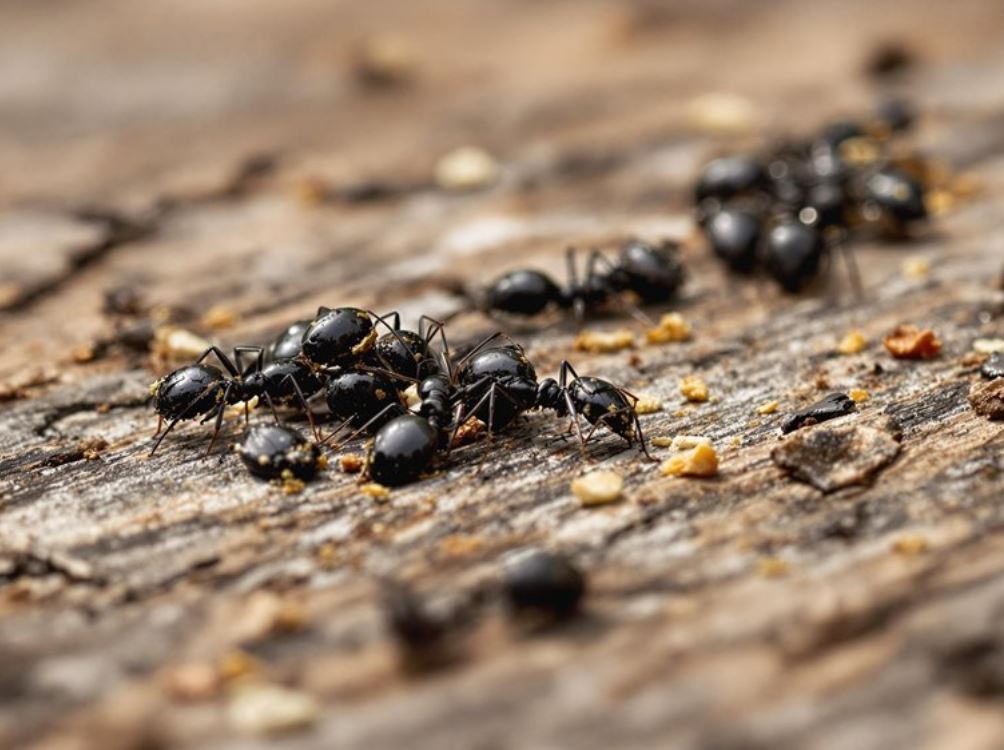
- Worker Ants are the ones you see. They are sterile females whose job is to forage for food and defend the nest. They are expendable to the colony.
- The Colony Core contains the queen(s) and brood (eggs, larvae). The queen’s sole purpose is to lay eggs, constantly replenishing the worker force.
Killing only the visible workers is like trimming weeds without pulling the roots. The queen remains safe in the nest, producing more ants to replace those lost. This replacement cycle can create the illusion that killing ants attracted more, when in reality, the nest was never challenged.
Professional, SEO-Optimized Ant Control Strategy
An effective, long-term solution focuses on the colony, not just individual ants. Follow this strategic approach:
1. Identification & Sanitation
- Identify the Ant Species (e.g., Odorous House Ants, Carpenter Ants). Behavior varies.
- Remove the Attractants: Clean up food spills, seal sugary and protein-based foods in containers, and manage trash. Eliminate the food pheromone trails.
2. Strategic Elimination: Use Baits
- Place ant baits near trails but not directly on them. Allow workers to find the bait, consume it, and carry it back to the nest.
- Be patient. It can take several days to a week for the bait to eradicate the colony. You may see more ants initially—this is a sign it’s working.
3. Prevention & Exclusion
- Seal entry points: Caulk cracks in foundations, around windows, and utility lines.
- Manage moisture: Fix leaky pipes, as many ants are attracted to water.
- Trim vegetation: Keep branches and shrubs from touching your house to remove ant bridges.
When to Call a Professional Pest Control Service
Consider professional help if:
- The infestation is large or persists despite DIY baiting.
- You are dealing with destructive species like Carpenter Ants.
- You cannot locate the nest(s).
- The ants pose a health risk (e.g., in hospitals, food service areas).
Professionals have access to stronger, targeted materials and the expertise to implement a complete solution.
Conclusion: Kill Smart, Not Just Hard
So, does killing ants attract more ants? Killing them indiscriminately by crushing or using contact sprays can trigger short-term alarm pheromones and is a futile strategy against the colony. However, killing them strategically using bait systems is the recommended method to eliminate the entire colony, including the queen.
The goal is not to avoid killing ants altogether, but to do it intelligently. Shift your focus from the visible foragers to the invisible nest. By using colony-killing methods like baits and maintaining diligent prevention, you can break the cycle and achieve an ant-free home.
Final Pro Tip: When you see an ant trail, resist the urge to spray. Instead, place bait nearby and watch it work as a tool of colony collapse. This is the most scientifically sound and effective approach to ant control.