
Do Ants Leave Pheromones When They Die? The Science Behind Ant Death Signals

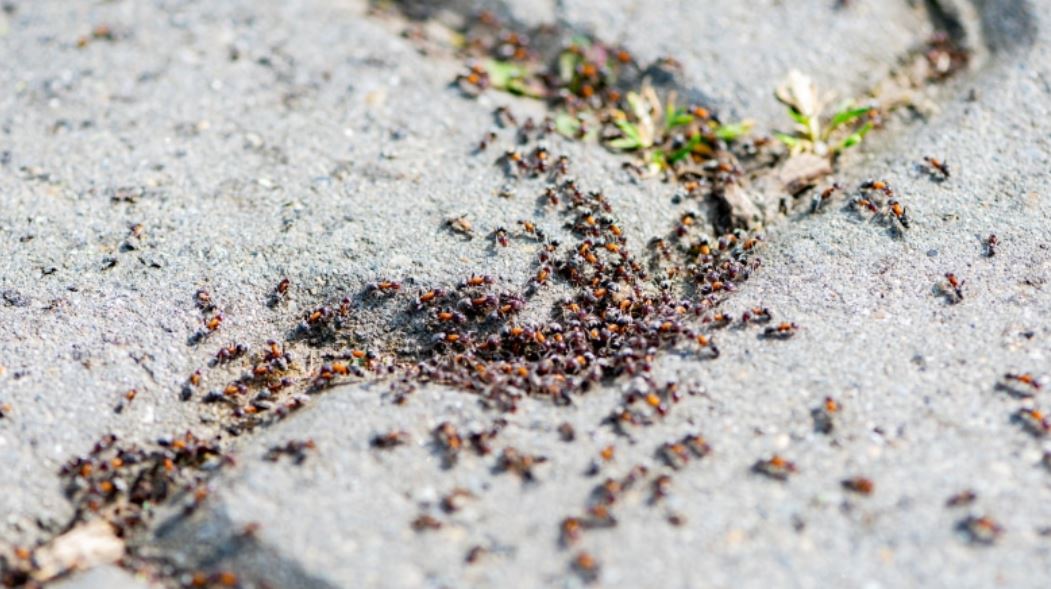
Ants are among the most socially sophisticated organisms on Earth, living in highly organized colonies that function as superorganisms. One of the most fascinating aspects of ant behavior is their intricate chemical communication system, which relies heavily on pheromones. But what happens when an ant dies? Do ants leave specific “death pheromones” that signal their passing to colony members? This comprehensive article explores the scientific evidence behind ant death signals, their evolutionary purpose, and how they compare to other pheromonal communications in the insect world.
Understanding Ant Pheromones: The Chemical Language of Colonies
Before examining death-specific chemicals, it’s essential to understand how ants use pheromones in general. Pheromones are chemical substances produced and released into the environment that trigger social responses in members of the same species.
The Primary Functions of Ant Pheromones:
- Trail pheromones: Guide other ants to food sources
- Alarm pheromones: Signal danger and mobilize defense
- Queen pheromones: Regulate reproduction and colony cohesion
- Brood pheromones: Identify and care for developing ants
- Recruitment pheromones: Gather workers for specific tasks
- Death pheromones: Signal deceased colony members
Do Ants Actually Leave “Death Pheromones”?
The short answer is yes, but not in the way you might imagine. Ants don’t actively release a specific pheromone at the moment of death. Instead, their corpses undergo chemical changes that other ants interpret as a “dead signal.”
When ants die, their bodies begin to decompose, releasing specific fatty acids like oleic acid and linoleic acid. Living ants detect these compounds through their sensitive antennae and interpret them as a sign that the ant is dead and needs to be removed from the colony.
The Science Behind the Death Signal
Research has shown that the decomposition chemicals serve as a reliable indicator of death. In a famous experiment by biologist E.O. Wilson, when living ants were coated with oleic acid, their nestmates immediately treated them as dead corpses, attempting to carry them to the colony’s refuse pile—even as the “dead” ants struggled and protested.
This demonstrates that ants don’t recognize death through behavior or lack of movement but through specific chemical signatures that accumulate on corpses.
Comparison of Ant Pheromone Types
Table 1: Types of Ant Pheromones and Their Functions
| Pheromone Type | Chemical Composition | Primary Function | Duration of Effect | Detection Range |
|---|---|---|---|---|
| Trail Pheromones | Mostly hydrocarbons | Navigation to resources | Minutes to hours | Several centimeters to meters |
| Alarm Pheromones | Ketones, aldehydes | Alert colony to danger | Seconds to minutes | Immediate vicinity |
| Queen Pheromones | Complex blends | Suppress worker reproduction | Constant while present | Whole nest area |
| Death Pheromones | Oleic acid, linoleic acid | Signal corpse for removal | Days until decomposition complete | Direct contact or very close proximity |
| Recruitment Pheromones | Variable mixtures | Gather workers for tasks | Minutes | Localized within nest |
Why Death Signals Are Crucial for Colony Survival
The efficient removal of dead colony members serves several vital functions in ant societies:
1. Disease Prevention
Decomposing bodies can harbor pathogens and parasites. Quick removal minimizes disease transmission within the densely populated nest.
2. Space Management
Ant colonies operate in confined underground spaces. Removing corpses frees up valuable living and storage areas.
3. Chemical Clarity
Decomposing bodies release chemicals that might interfere with other important pheromonal communications within the colony.
4. Social Cohesion
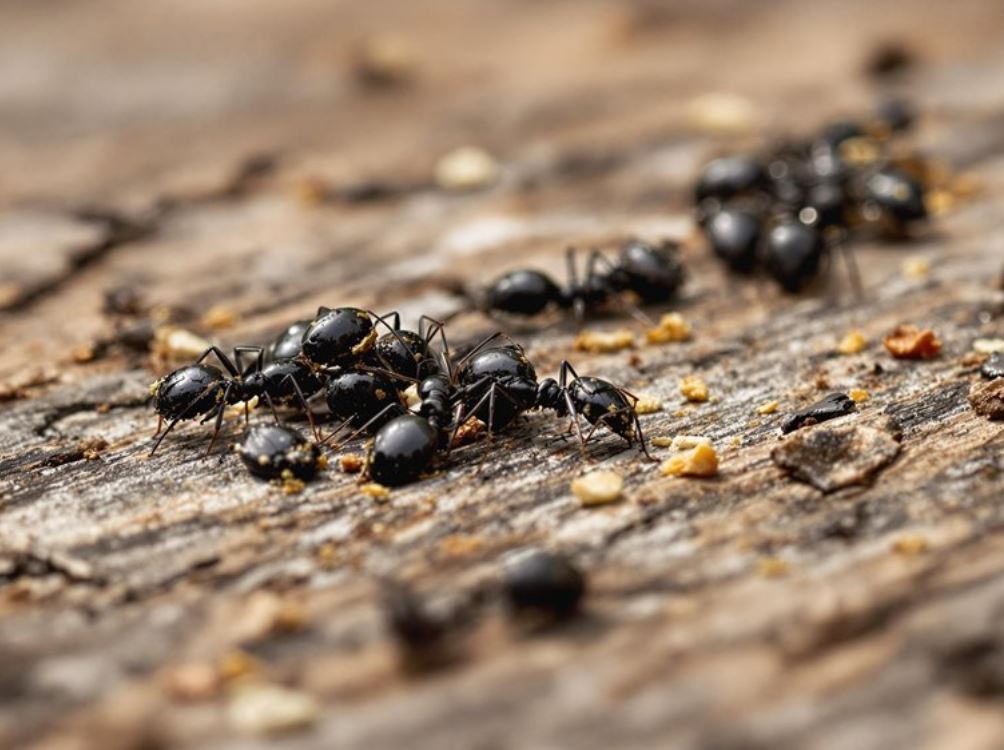
The orderly disposal of dead maintains the colony’s organized functioning and possibly reduces stress on living members.
The Necrophoresis Process: How Ants Handle Their Dead
The behavioral response to death chemicals is called necrophoresis—the carrying of dead bodies away from the nest. This process follows a predictable pattern:
- Detection: A worker ant encounters a corpse and detects decomposition chemicals
- Assessment: The ant confirms the death signal through antennal contact
- Grasping: The worker grasps the corpse in its mandibles
- Transport: The corpse is carried to a designated refuse area or midden
- Deposition: The body is placed with other waste materials
- Return: The worker cleans itself and returns to normal duties
Table 2: Comparison of Corpse Disposal Methods in Social Insects
| Insect Species | Death Signal Mechanism | Disposal Method | Specialized Workers? | Refuse Location |
|---|---|---|---|---|
| Ants | Decomposition chemicals (oleic acid) | Carrying to midden | No, general workers | Designated areas outside nest |
| Honey Bees | Decomposition chemicals | Dragging out of hive | No, house bees | Away from hive entrance |
| Termites | Unknown chemical signals | Burial or cannibalism | Sometimes | Buried in nest walls or consumed |
| Naked Mole Rats | Possibly decomposition odors | Burial in toilet chambers | No | Designated latrine areas |
Interesting Variations in Ant Death Responses
Not all ant species handle their dead in exactly the same way:
- Leafcutter ants have dedicated garbage workers who handle all waste, including corpses
- Army ants typically abandon their dead when the colony moves
- Some ant species practice necrophagy (eating dead colony members) under certain conditions
- Fire ants form floating rafts of living workers, deliberately excluding dead ants from the raft
Human Applications: What We Can Learn from Ant Death Signals
The study of ant death pheromones has inspired several human technologies and approaches:
1. Pest Control Strategies
Some pest control methods attempt to mimic death pheromones to disrupt ant colony functioning, though with limited success due to the complexity of ant communication systems.
2. Robotics and Swarm Intelligence
Researchers study ant corpse-removal behavior to develop better algorithms for decentralized robotic systems that need to identify and remove malfunctioning units.
3. Waste Management Systems
The efficiency of ant waste disposal has inspired improvements in organizational approaches to human waste management.
Common Misconceptions About Ant Death Pheromones
Myth 1: Ants release death pheromones when they’re dying
Truth: The chemicals come from decomposition, not active release by the dying ant.
Myth 2: All ant species use the same death chemicals
Truth: While oleic acid is common, different species may respond to slightly different chemical blends.
Myth 3: Death pheromones work over long distances
Truth: These chemicals require close contact or proximity to be detected.
Myth 4: Ants mourn their dead
Truth: The removal behavior is a programmed response to chemical signals, not an emotional reaction.
Frequently Asked Questions About Ant Death Pheromones
Q: Can ants “fake” death using these chemicals?
A: No, ants don’t control the release of decomposition chemicals, so they can’t use them to fake death.
Q: How quickly do ants remove their dead?
A: Typically within hours, though this varies by species, colony size, and environmental conditions.
Q: Do ants bury their dead like humans do?
A: Not exactly—they deposit them in specific refuse areas rather than burying them individually.
Q: What happens if you prevent ants from removing their dead?
A: Disease can spread more easily, and chemical interference may disrupt colony communication.
Q: Do queen ants get different funeral treatment?
A: Usually, yes. Dead queens are often treated differently—sometimes buried within the nest or even consumed.
Conclusion: The Efficiency of Nature’s Cleanup Crew
The phenomenon of ant death signals reveals the remarkable efficiency of nature’s solutions to universal biological challenges. What might seem like morbid behavior is actually a sophisticated public health system that has evolved over millions of years. The “death pheromone” system—really a decomposition detection system—ensures that ant colonies remain clean, organized, and disease-free.
This chemical communication system is so reliable that it can even trick ants into treating living nestmates as corpses when the wrong chemicals are present. Such findings highlight the precision of ant sensory systems and the primacy of chemical signals over visual or behavioral cues in their world.
Understanding these processes not only satisfies our curiosity about the natural world but also provides insights that could improve human technologies in fields ranging from robotics to waste management. The humble ant continues to teach us valuable lessons about efficiency, organization, and survival through chemical communication—even in death.