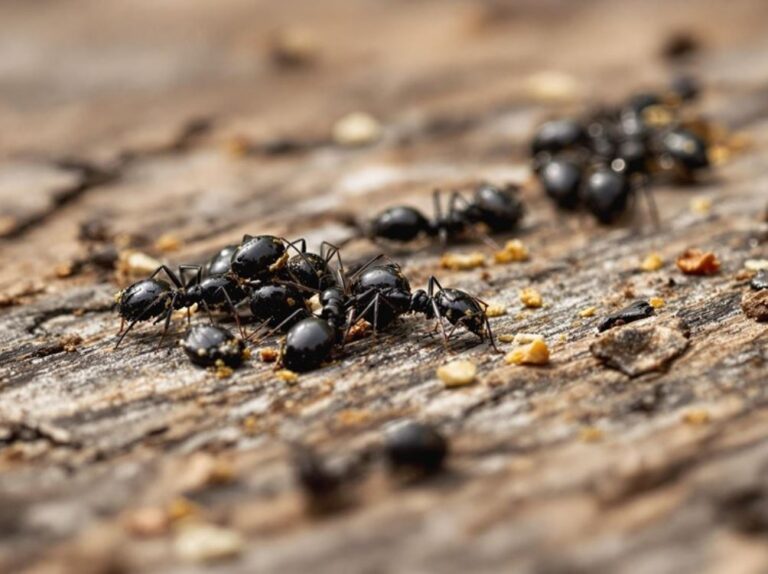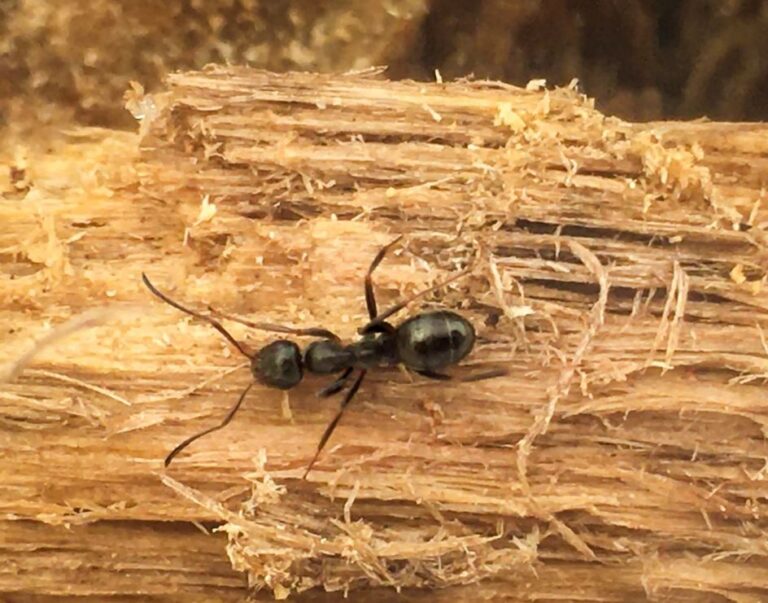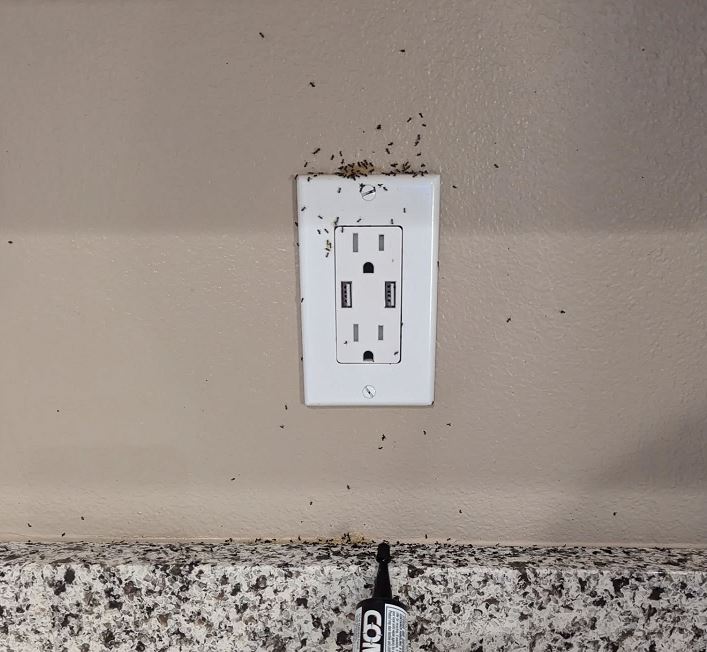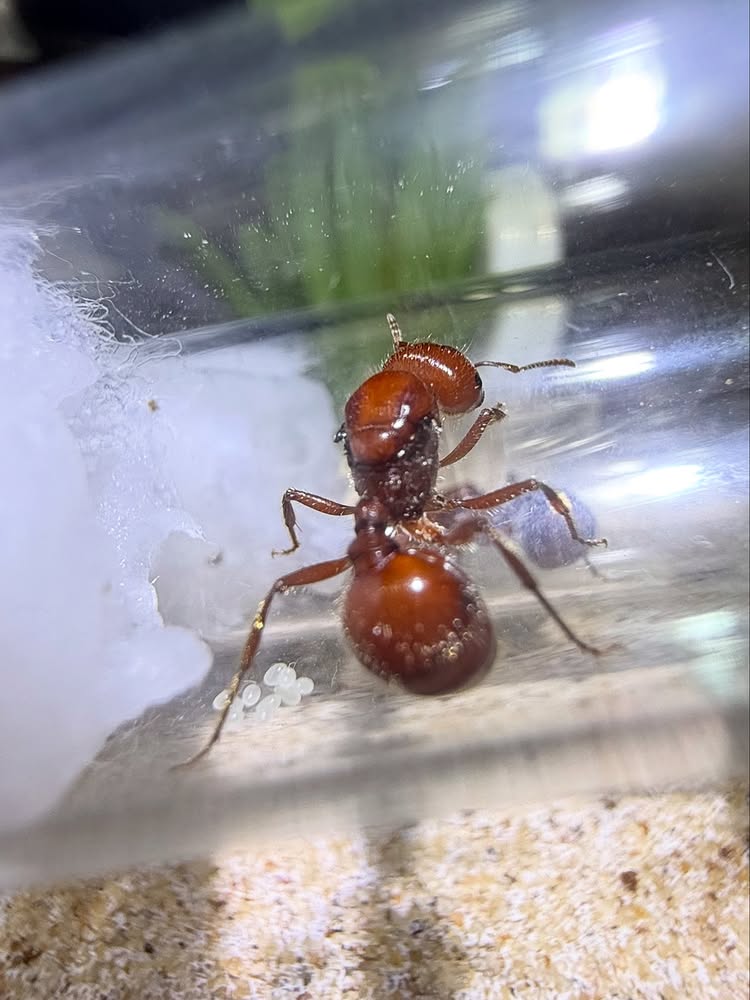

The Growing Concern: Fire Ants in Michigan

For years, Michigan residents have considered fire ants a southern problem, but changing climates, human activity, and interstate commerce are shifting this reality. While not yet established with widespread, destructive colonies like those in the Southeast, evidence suggests that invasive fire ant species are becoming an increasing concern in the Great Lakes State. This article provides a professional overview of the current situation, identification guidelines, risks, and actionable steps for Michigan homeowners, agricultural professionals, and policymakers.
Are Fire Ants Really in Michigan?
The short answer is: Yes, but not in the same way as in Texas or Florida. Michigan’s primary concern is the European Fire Ant (Myrmica rubra), a less aggressive but still problematic species distinct from the infamous Red Imported Fire Ant (Solenopsis invicta). Imported fire ants are occasionally intercepted but are not known to have established permanent, breeding colonies. However, climate models suggest Michigan’s warming temperatures could eventually support them.
Key Species of Concern in Michigan
| Species | Scientific Name | Status in Michigan | Aggression Level | Primary Habitat |
|---|---|---|---|---|
| European Fire Ant | Myrmica rubra | Established in localized areas, especially in the Upper Peninsula and northern Lower Peninsula. | Moderate to High. Will sting repeatedly if disturbed. | Moist environments: lawns, gardens, under logs, sidewalks. |
| Red Imported Fire Ant | Solenopsis invicta | Intercepted Only. Found via interstate shipments (nursery stock, soil). No known established colonies. | Very High. Aggressive, swarm and sting en masse. | Open, sunny areas: lawns, pastures, fields. |
| Common Native Ants | Various (e.g., Formica spp.) | Widespread and common. | Low. Most are harmless or bite without sting. | Varied: forests, lawns, under stones. |
Identification: Distinguishing Fire Ants from Native Ants
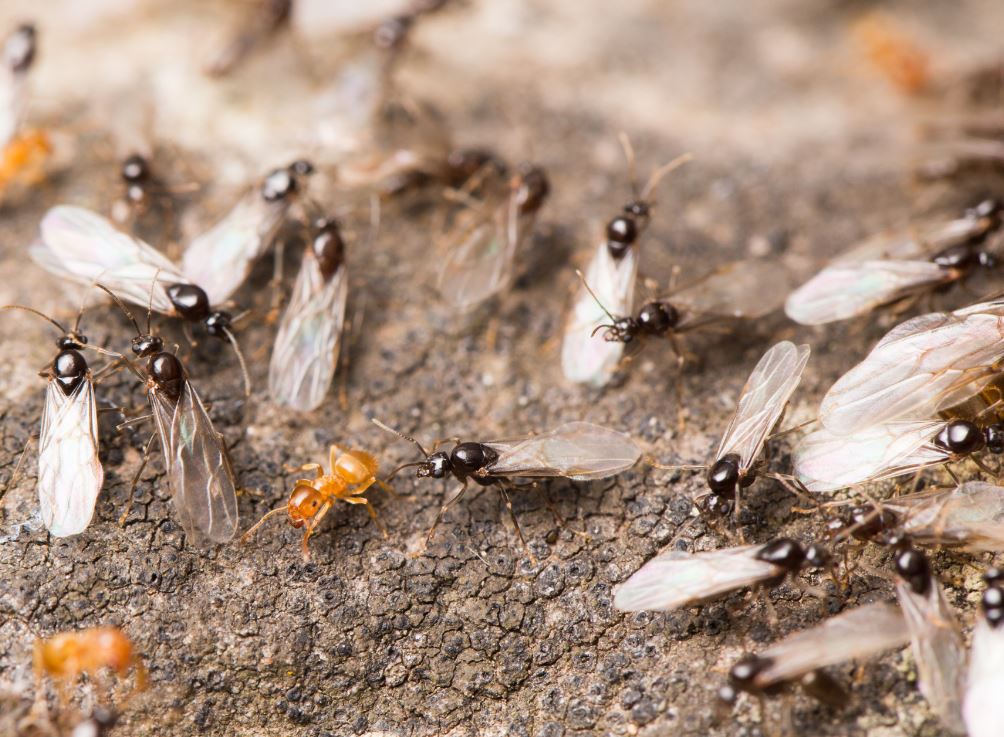
Proper identification is critical before taking action. Many harmless native ants are mistaken for fire ants.
Comparative Identification Table
| Feature | European Fire Ant (MI’s Main Threat) | Red Imported Fire Ant (Potential Future Threat) | Common Native Ants (e.g., Carpenter, Pavement) |
|---|---|---|---|
| Size & Color | Small (4-5mm), reddish-brown. | Small (3-6mm), reddish-brown to dark. | Varies widely in size and color. |
| Mound Structure | No large soil mounds. Nests under objects, in soil, or in moist turf. | Builds large, domed soil mounds (no central entrance). | Varies: carpenter ants in wood, pavement ants in cracks, some build small soil craters. |
| Behavior | Stings repeatedly when nest is disturbed. Runs erratically. | Extremely aggressive. Swarm and sting in unison, creating a “fire-like” burning sensation. | Most flee or bite without a true sting. Not aggressively defensive. |
| Sting Impact | Sharp pain, white pustule, can cause allergic reactions. | Intense burning, white pustule, significant risk of severe allergic reaction. | Typically none (bite only) or minor irritation. |
The Risks: Why Fire Ants Are a Problem
The establishment of fire ants poses multi-faceted threats:
- Public Health: Their painful stings can lead to secondary infections, allergic reactions, and, in rare cases, anaphylactic shock.
- Ecological Impact: As invasive predators, they disrupt local ecosystems by outcompeting and consuming native insects, arthropods, and even ground-nesting bird chicks.
- Agricultural & Economic Damage: They can damage crops, infest equipment, and render outdoor areas unusable for livestock, recreation, or tourism.
- Property Value: Infested lawns and gardens become difficult to enjoy or maintain, potentially impacting property aesthetics and value.
Current Management and Reporting in Michigan
Proactive management is essential to prevent establishment.
- For European Fire Ants: Management involves locating the nests (often under objects) and applying registered insecticidal baits or drenches. Consistent lawn care to reduce moisture and ground cover can deter nesting.
- For Suspected Imported Fire Ants:DO NOT DISTURB. Immediate reporting is crucial.
- Contact: The Michigan Department of Agriculture and Rural Development (MDARD) or your local Michigan State University Extension office.
- Take a photo if possible without getting too close.
- Do not attempt to treat yourself, as proper identification and eradication protocols are needed.
Prevention and Outlook for Michigan
Climate change is the wild card. Warmer winters and longer growing seasons increase the likelihood that non-native species like the Red Imported Fire Ant could survive and establish.
Prevention Checklist for Residents and Businesses:
- Inspect plants, soil, mulch, and equipment brought from southern states.
- Avoid purchasing soil or planting materials from known infested regions.
- Maintain healthy, dry lawns to reduce attractive nesting sites.
- Educate yourself and community on proper identification.
- Report unusual, aggressive ant species immediately to authorities.
Conclusion
While Michigan is not facing the large-scale infestations seen in the Gulf Coast, the presence of European Fire Ants and the ever-present threat of southern species demand vigilance. Awareness, accurate identification, and prompt reporting are Michigan’s first and best lines of defense. By adopting a proactive, informed approach, residents, agricultural stakeholders, and state agencies can work together to protect Michigan’s ecosystems, economy, and quality of life from this invasive pest.
Has your Michigan property been affected by aggressive, stinging ants? Share your experience (without location specifics) to help raise community awareness, and always consult with a licensed pest management professional or MSU Extension for confirmed infestations.