
The Ultimate Guide to White Ant Signs: How to Spot a Termite Infestation Early

Introduction: The Silent Destroyers in Your Home
White ants, more accurately known as termites, are among the most destructive pests a homeowner can encounter. These silent invaders cause billions of dollars in structural damage globally each year, often before property owners even realize they have a problem. Understanding the early signs of a white ant infestation is critical to protecting your most valuable asset—your home. This comprehensive guide will walk you through the visual, auditory, and structural indicators of termite activity, empowering you to act before significant damage occurs.
What Are White Ants? A Crucial Distinction
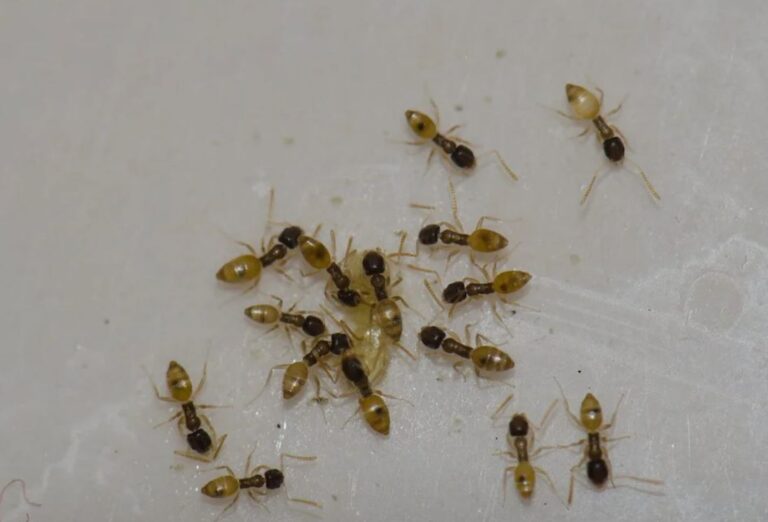
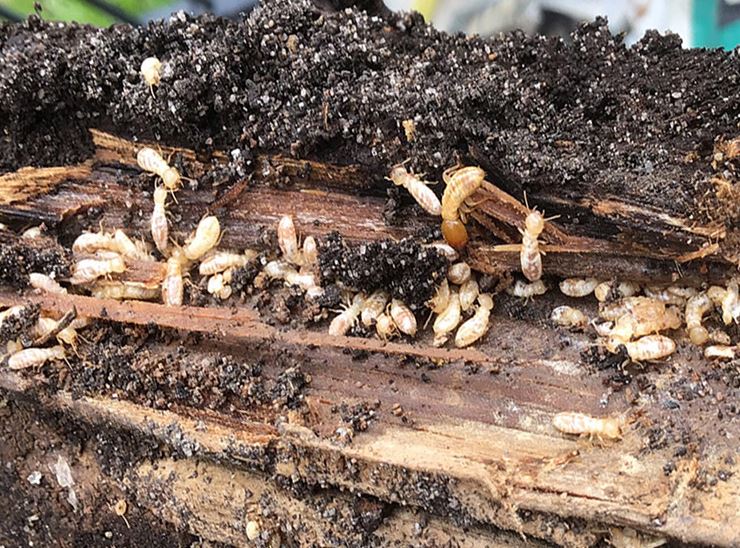
First, it’s essential to clarify terminology. “White ants” is a common misnomer for termites. While they share some social characteristics with ants, they are a completely different species. Termites are pale, soft-bodied insects that feed on cellulose, primarily found in wood, paper, and plant materials.
Key Differences: Termites vs. Ants
This distinction is vital for correct identification and treatment.
| Feature | Termites (“White Ants”) | Ants |
|---|---|---|
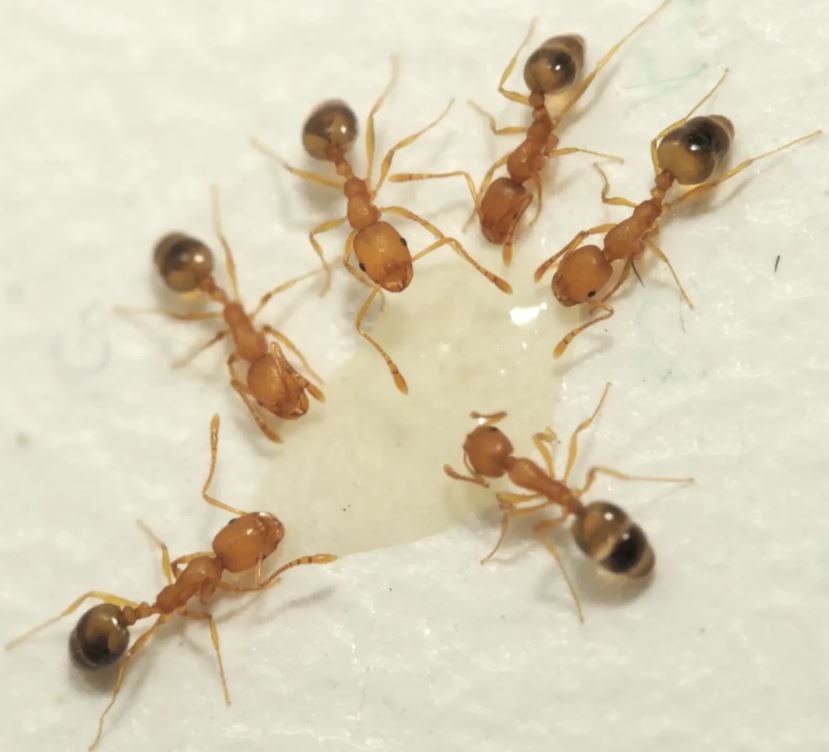
| Body Shape | Waist is thick, body appears uniform. | Narrow, pinched waist. |
| Antennae | Straight, bead-like. | Elbowed (bent). |
| Wings | Two pairs of equal-length wings. | Front wings longer than hind wings. |
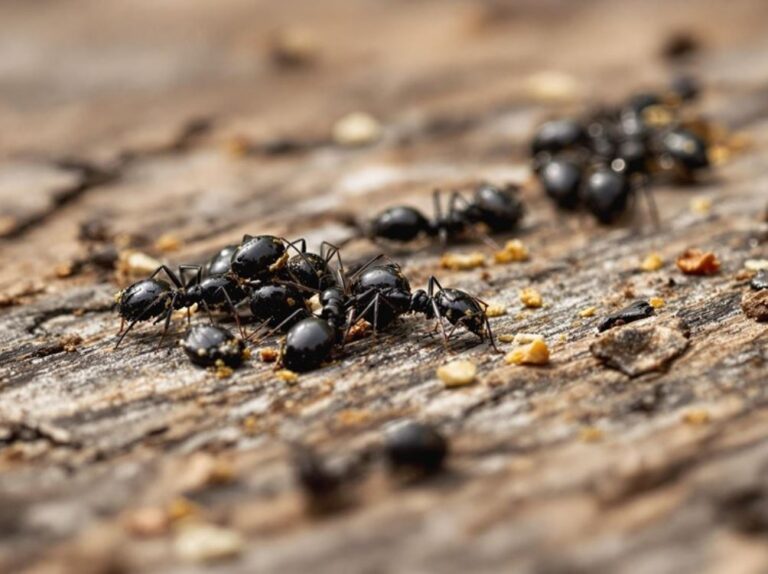
| Color | Typically pale white to light brown. | Often dark (black, brown, or red). |
| Diet | Cellulose (wood). | Omnivorous (sugars, proteins, etc.). |
The 8 Major Signs of a White Ant (Termite) Infestation
Catching termites early is the key to minimizing damage. Here are the primary indicators, categorized for easy reference.
1. Visual Evidence of Termites Themselves
- Swarmers (Alates): These are the reproductive termites with wings. Their sole purpose is to leave their nest, swarm, and establish new colonies. Finding discarded wings near windowsills, doors, or in spider webs is a classic sign. The swarmers shed their wings after a brief flight.
- Worker Termites: You are unlikely to see these as they avoid light. However, if you disturb damaged wood or a mud tube, you may see small, soft-bodied, cream-colored insects moving quickly.
- Soldier Termites: These have larger, darker heads with powerful mandibles to defend the colony. Spotting them means you’ve uncovered an active nest or feeding site.
2. Mud Tubes (Shelter Tubes)
Subterranean termites, the most common and destructive type, build these pencil-sized tunnels for protection as they travel between their underground colony and food source (your home’s wood).
- Location: Typically found on foundation walls, in crawl spaces, along pipes, or bridging concrete/brick.
- Appearance: Earth-colored, sturdy tubes made of soil, saliva, and feces.
3. Wood Damage
Termites consume wood from the inside out, leaving a thin veneer of wood or paint. Damaged wood is often hard to spot until it’s severe.
- Hollow Sound: Tap suspected wood with a screwdriver handle. Infested wood sounds hollow or papery.
- Blistering or Darkening: Wood may appear slightly darker or blister, mimicking water damage.
- Honeycomb Patterns: If you break open damaged wood, you’ll see intricate patterns of grooves and galleries lined with mud or excrement.
4. Frass (Termite Droppings)
Drywood termites, which infest wood directly without soil contact, create tiny, pellet-like droppings called frass.
- Appearance: Six-sided, granular, varying in color from light tan to dark brown.
- Location: Piles of frass are often found below “kick-out holes” in infested wood, resembling small piles of sawdust or coffee grounds.
5. Auditory Clues
In quiet settings, you might hear signs of an active colony.
- Head-Banging: Soldier termites bang their heads against wood or shake their bodies to signal danger to the colony. This creates a soft clicking sound from within walls.
- Rustling: The sound of worker termites chewing can be heard as a faint rustling or papery sound when you put your ear close to an infested wall.
6. Structural and Cosmetic Signs
- Sagging Floors or Doors: As supporting wood structures are compromised, floors may begin to sag or feel spongy.
- Sticking Windows and Doors: Warping of door or window frames due to moisture from termite tubes can make them hard to open.
- Peeling Paint: Paint that appears bubbly or moist can indicate termite activity underneath, as their tunneling introduces moisture.
- Maze-Like Patterns in Walls: Over time, damage may become visible on drywall or wallpaper as faint lines or bulges.
7. Garden and Exterior Signs
- Damaged Fencing and Stumps: Check wooden fence posts, tree stumps, or dead trees on your property. These are often the first points of infestation before termites move to your house.
- Mud Tubes on External Walls: Inspect the perimeter of your home’s foundation regularly.
8. Unusual Moisture and Condensation
Termites need moisture to survive. Persistent dampness in subfloors, walls, or around the foundation can attract and support a colony.
Comparison Table: Signs by Termite Type
Different termites leave different clues. Here’s how to tell them apart.
| Sign | Subterranean Termites | Drywood Termites | Dampwood Termites |
|---|---|---|---|
| Primary Sign | Mud tubes on foundations. | Frass piles near infested wood. | Prefer very moist, decaying wood. |
| Wood Damage | Eat soft spring wood, leave grainy, layered patterns with mud. | Create clean, smooth galleries with no soil. | Create large, wide galleries in wet wood. |
| Location Found | Ground contact, lower structures. | Attics, furniture, window frames, higher wood. | Decaying wood, leaky areas, ground contact. |
| Swarmers | Dark bodies with translucent, equal-length wings. | Reddish-brown bodies with amber wings. | Larger, brownish bodies with brownish-grey wings. |
What to Do If You See the Signs
- Don’t Panic, But Act Quickly: Termite damage is slow but progressive. You have time to get a professional opinion.
- Do Not Disturb: Avoid poking or spraying the area. This can cause the colony to relocate within the structure, making professional eradication harder.
- Document the Evidence: Take clear photos of mud tubes, frass, wings, and any damage.
- Contact a Licensed Pest Control Professional: Termite treatment is complex. A professional can correctly identify the species, assess the extent of the infestation, and recommend the most effective treatment plan (e.g., liquid soil barriers, baiting systems, or wood treatment for drywood termites).
- Get Multiple Inspections and Quotes: A thorough inspection should be free. Get opinions and treatment quotes from several reputable companies.
Prevention: The Best Cure
- Eliminate Moisture: Fix leaks, ensure proper drainage away from your foundation, and ventilate crawl spaces.
- Remove Wood-to-Ground Contact: Store firewood, lumber, and paper away from your home’s foundation.
- Seal Entry Points: Fill cracks in your foundation and around utility lines.
- Schedule Annual Inspections: A yearly professional inspection is the single best investment to catch an infestation early.
Conclusion: Vigilance Protects Your Property
White ants (termites) are a formidable threat, but they are not undetectable. By learning to recognize the signs of mud tubes, discarded wings, hollow-sounding wood, and frass piles, you shift from being a passive victim to an active protector of your property. Regular inspections, both DIY and professional, combined with proactive moisture control, form an impenetrable defense. If you suspect an infestation, immediate action with a qualified expert will save you significant stress, money, and structural heartache in the long run. Your home is your castle—guard it wisely.