
How to Get Rid of Ants in Your Garage: A Complete Guide

Why Are There Ants in My Garage?
Finding ants in your garage is a common but frustrating problem for homeowners. Garages often provide the perfect environment for ants: shelter from weather, potential food sources (like spilled pet food or old boxes), and plenty of tiny entry points. Whether you’re dealing with a few scouts or a full-blown infestation, understanding why ants invade garages and how to eliminate them is key to reclaiming your space.
This comprehensive guide will help you identify, eliminate, and prevent ants in your garage using effective, proven methods.
Identifying Common Garage-Invading Ants
Not all ants behave the same way. Proper identification is the first step to effective control.
| Ant Type | Appearance | Common Signs | Primary Attraction |
|---|---|---|---|
| Carpenter Ants | Large (1/4 to 1/2 inch), black or red-black | Sawdust-like frass near wood, rustling sounds in walls | Damp or decaying wood for nesting |
| Pavement Ants | Small (1/8 inch), brown-black | Dirt mounds in cracks of pavement/driveway, near garage edges | Greasy foods, pet food, insects |
| Odorous House Ants | Small (1/8 inch), dark brown/black | Strong rotten coconut smell when crushed | Sweet substances, moisture |
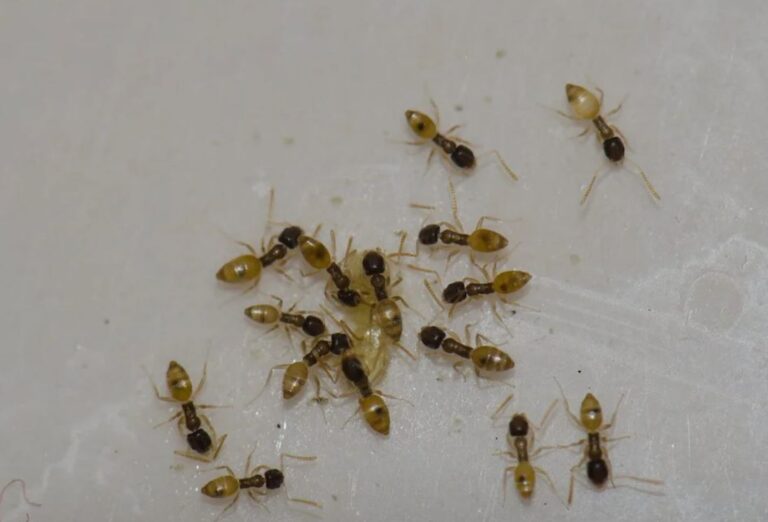
| Pharaoh Ants | Very small (1/16 inch), yellow or light brown | Trails along shelves, electrical wires, hard-to-reach areas | Fats, proteins, sweets (highly adaptable) |
Why Your Garage is a Target: Attraction Factors
Ants enter your garage seeking three things: food, water, and shelter.
- Food Sources: Opened bags of pet food, grass seed, stored pantry items, sugary spills from soda, or dead insects.
- Water/Moisture: Condensation from water heaters, AC units, damp corners, or leaky boxes.
- Shelter & Entry Points: Gaps under doors, cracks in foundation, utility line entry points, and cluttered storage boxes provide ideal nesting sites.
Step-by-Step Action Plan to Eliminate Ants
Step 1: Inspection & Identification
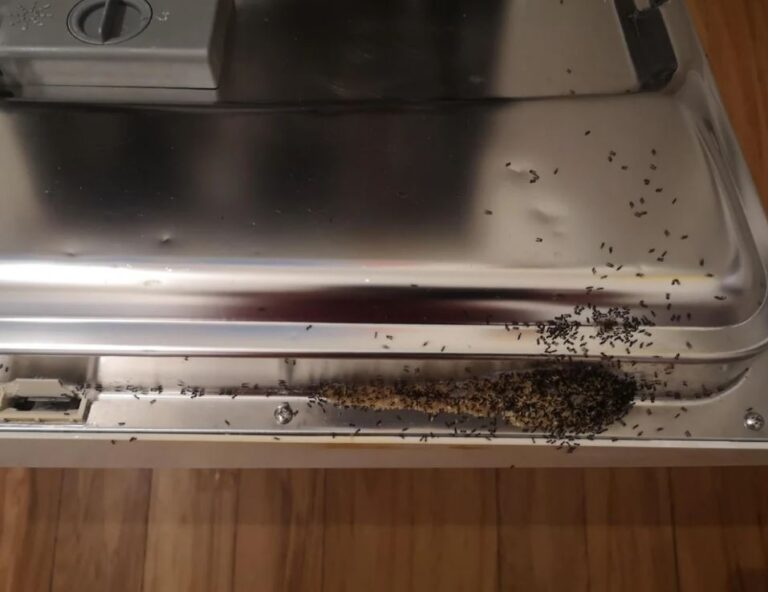
Track the ant trails to find their entry point and nest location if possible. Look along baseboards, wall edges, and floor cracks. Note their appearance to identify the species using the table above.
Step 2: Immediate Cleanup & Sanitation
Remove the attractions that brought them inside.
- Clean Thoroughly: Sweep and mop floors to eliminate food residues and pheromone trails.
- Store Food Securely: Place pet food, bird seed, and any edible items in airtight plastic containers.
- Declutter: Reduce potential nesting sites by getting rid of old cardboard boxes (which can retain moisture) and organizing items off the floor.
Step 3: Choose Your Treatment Method
| Treatment Method | Best For | How to Use | Pro Tips |
|---|---|---|---|
| Ant Baits (Gel & Stations) | Large colonies, especially for sweet or protein-loving ants. | Place near trails but away from pets/kids. Ants carry poison back to the nest. | Be patient. Increased ant activity is normal initially. Don’t kill the foraging ants. |
| Diatomaceous Earth (DE) | Natural, non-toxic barrier. Kills by dehydrating insects. | Dust a thin layer along garage door thresholds, cracks, and baseboards. | Use food-grade DE. Reapply after cleaning or if it gets wet. |
| Boric Acid & Sugar Baits | DIY solution for persistent indoor colonies. | Mix 1 part boric acid with 3 parts sugar syrup. Place on small containers in ant areas. | Use with extreme caution around pets and children. Very effective but must be placed out of reach. |
| Vinegar Solution | Disrupting scent trails (repellent). | Spray a 50/50 vinegar/water mix directly on trails and entry points. | Wipes away the chemical trail, causing confusion. Does not kill the colony. |
| Professional Pest Control | Severe infestations, carpenter ants, or repeated failures. | Expert assessment and targeted treatments with longer-lasting residuals. | Ideal for structural pests like carpenter ants that can cause property damage. |
Step 4: Seal Entry Points
After activity ceases, seal ants out for good.
- Use caulk to fill cracks in the foundation and around door/window frames.
- Install weather stripping on the bottom of the garage door.
- Seal gaps around utility lines and pipes with expanding foam.
Prevention: Keeping Ants Out for Good
An ant-proof garage is a clean, sealed, and dry garage. Follow this checklist:
- ✅ Store all food in airtight containers.
- ✅ Fix moisture issues (leaky pipes, poor drainage).
- ✅ Keep floors and shelves clean and free of spills.
- ✅ Regularly inspect and re-seal potential entry points each season.
- ✅ Trim back vegetation and branches touching the garage exterior.
- ✅ Place bay leaf or peppermint oil cotton balls in storage bins as natural deterrents.
When to Call a Professional
Consider professional help if:
- You identify carpenter ants (risk of structural damage).
- The infestation is widespread or persists after DIY efforts.
- You are dealing with dangerous ants like fire ants.
- The nest is inaccessible within walls or under the slab.
Conclusion
Getting rid of ants in the garage requires a two-pronged strategy: elimination of the current colony and prevention of future entry. By correctly identifying the ant, using targeted treatments like baits, and committing to sanitation and sealing, you can win the battle. Remember, consistency is key. A proactive approach to garage maintenance is the most effective long-term solution for an ant-free home.