
The Power of Scent: Using Essential Oils to Repel Ants Naturally

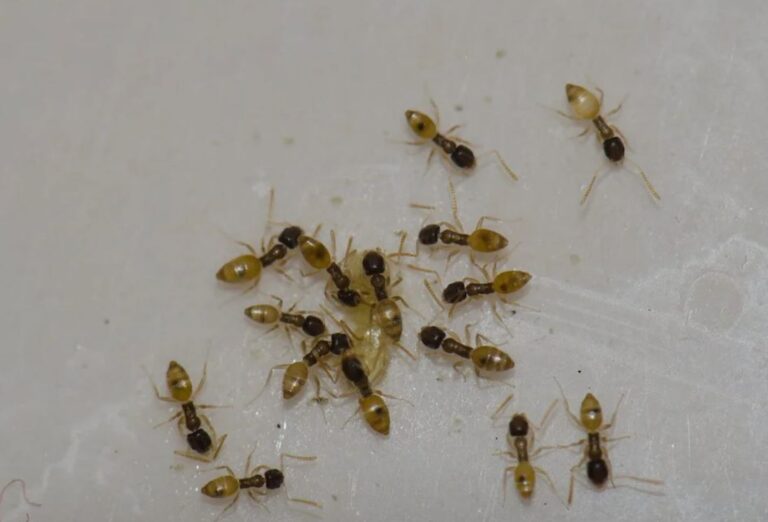
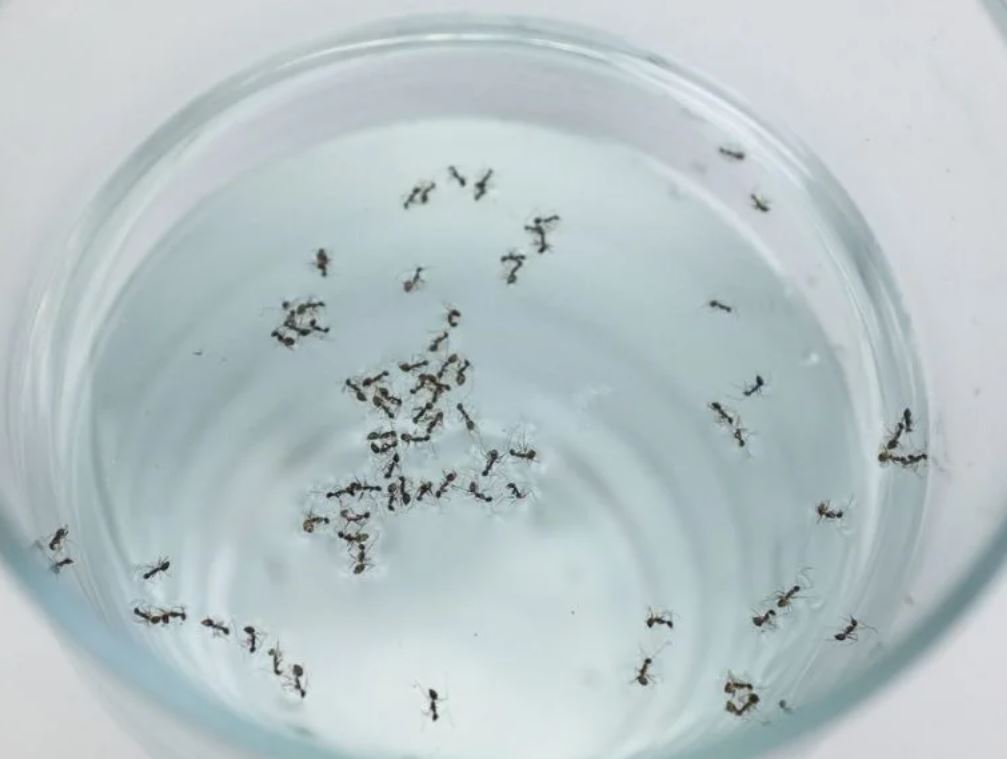
For homeowners seeking a natural, non-toxic alternative to chemical pesticides, essential oils present a compelling solution. The question, “Do essential oils repel ants?” is met with a resounding yes from both scientific research and generations of practical use. Ants rely on sophisticated scent trails to communicate and navigate. Essential oils, with their potent volatile compounds, disrupt these chemical pathways, acting as both a repellent and a trail eliminator.
“Essential oils don’t just mask ant pheromones; they overwhelm and confuse the ants’ highly tuned olfactory system, making it impossible for them to coordinate,” explains Dr. Eleanor Vance, an entomologist specializing in urban pests. “This makes them an excellent deterrent for preventative control.”
How Do Essential Oils Work Against Ants?
Ants leave a pheromone trail for their colony members to follow to food sources. Essential oils interfere with this process in two key ways:
- Repellent Action: The strong aromas are unpleasant to ants, deterring them from entering treated areas.
- Trail Disruption: They erase or scramble the scent trail, causing confusion and halting the ant invasion line.
Top Essential Oils for Ant Control: A Comparison
Here is a detailed comparison of the most effective essential oils for repelling ants:
| Essential Oil | Primary Active Compounds | Effectiveness Against Ants | Key Properties & Best Use |
|---|---|---|---|
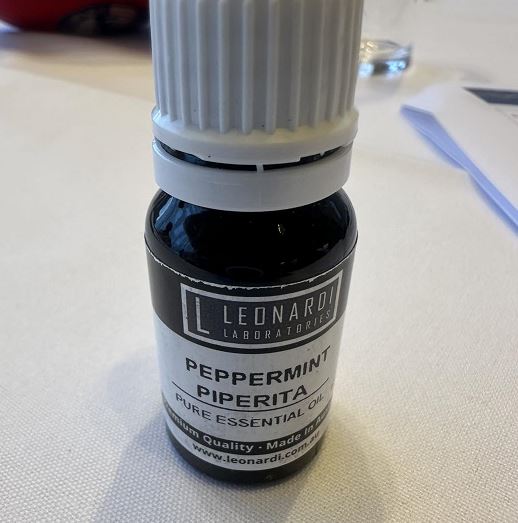
| Peppermint | Menthol, Menthone | Very High | Strong repellent, disrupts trails. Ideal for sprays along windowsills, doors, and entry points. |
| Tea Tree | Terpinen-4-ol | High | Powerful antiseptic and repellent. Good for cleaning surfaces to eliminate scent trails. |
| Lemon Eucalyptus | Citronellal | High | Strong citrus scent ants avoid. Effective in outdoor barrier sprays. |
| Lavender | Linalool, Linalyl acetate | Moderate-High | Pleasant for humans, repellent for ants. Useful in indoor sprays and cotton ball deterrents. |
| Clove | Eugenol | Very High | Potent and broad-spectrum insecticide properties. Use sparingly in diluted sprays for heavy infestations. |
| Citronella | Geraniol, Citronellal | Moderate | Known for repelling mosquitoes, also effective against ants. Best for patio and outdoor use. |
Proven DIY Essential Oil Ant Repellent Recipes
1. All-Purpose Ant Repellent Spray
This is your go-to solution for creating a barrier and cleaning away trails.
- Ingredients: 1 cup of water, 1 cup of white vinegar, 20 drops of peppermint oil, 10 drops of tea tree oil.
- Instructions: Combine all ingredients in a spray bottle. Shake well before each use. Spray along baseboards, window sills, door frames, and anywhere you see ant activity. Warning: Vinegar can damage some surfaces like granite; test first.
2. Protective Cotton Ball Deterrent
Perfect for small, targeted areas like under sinks or in cabinets.
- Ingredients: 10-15 drops of clove or peppermint oil, cotton balls.
- Instructions: Place 3-5 drops of oil on each cotton ball. Tuck them into corners, behind appliances, or in cabinet corners where ants may enter.
3. Outdoor Barrier and Patio Spray
To keep ants from entering your home from the outside.
- Ingredients: 2 cups of water, 1 tablespoon of dish soap (helps oil mix with water), 30 drops of lemon eucalyptus or citronella oil.
- Instructions: Mix in a spray bottle. Spray around the perimeter of your home, focusing on foundations, porch steps, and around patio furniture.
Safety and Best Practices for Effective Use
While natural, essential oils are powerful concentrates. Follow these guidelines for safe and effective application:
- Always Dilute: Never apply undiluted essential oils directly to surfaces, especially porous ones, as they can cause damage.
- Test First: Spot-test any spray on an inconspicuous area to check for staining or damage.
- Shake Vigorously: Oil and water separate, so shake your spray bottle before every use.
- Reapply Regularly: Essential oils are volatile and evaporate. Reapply your sprays every 2-3 days and after cleaning or rain for outdoor barriers.
- Pet & Child Safety: Many essential oils are toxic to pets (especially cats) and can irritate children’s skin. Research oil safety for your household and use deterrents in areas they cannot access.
Limitations: When to Call a Professional
It’s important to manage expectations. “Essential oils are fantastic for repellency and minor nuisance ants,” notes David Chen, a certified integrated pest management (IPM) specialist. “However, for a large-scale infestation or to eliminate the heart of the problem—the colony and its queen—they are often insufficient. In these cases, they should be part of a broader strategy or you may need professional intervention.”
The Verdict: A Natural First Line of Defense
Essential oils offer a safe, accessible, and environmentally friendly method to repel ants and disrupt their trails. By incorporating oils like peppermint, tea tree, and clove into your cleaning and maintenance routine, you can create an effective deterrent for common household ants.
Start with the DIY sprays as a preventative measure at the first sign of ants. For persistent or large-scale problems, consider using these natural repellents in conjunction with baiting systems designed to destroy the colony, or seek professional pest control advice. Embrace the power of nature’s scents to maintain an ant-free home without resorting to harsh chemicals.